What to Wear for Trekking in Nepal: The Best Clothing for Every Altitude
By Mardi Craft Nepal / April 27, 2025, 2:35 p.m.
Understanding the Clothing Pattern
Trekking in Nepal is a dream for adventurers from around the globe. With terrain ranging from warm subtropical forests to icy Himalayan passes, the country offers incredibly diverse trekking experiences. But this variety also means that what you wear can drastically affect your comfort, safety, and overall trekking experience. Choosing the right trekking clothes in Nepal depends largely on the altitude and weather conditions you’ll encounter. In this blog, we break down clothing recommendations by altitude zones so you can be fully prepared for your next Himalayan adventure.
Low Altitude Treks (1,000 – 2,500 meters)
Examples: Ghorepani Poon Hill, Chisapani, Shivapuri Low-altitude treks in Nepal usually pass through lush forests, terraced farmland, and vibrant villages. The weather is generally warm and humid, especially in the spring and summer. For these conditions, lightweight and breathable clothing is your best bet. Moisture-wicking t-shirts, trekking shirts, and convertible pants are ideal because they keep you dry and comfortable while allowing flexibility. Long sleeves and wide-brim hats are also helpful to protect against sunburn and insect bites. Don’t forget to carry a lightweight waterproof jacket or poncho, especially if you’re trekking during the monsoon season. Footwear should be sturdy, with good grip for wet or uneven trails, but not overly insulated as the temperatures stay relatively warm.
Mid Altitude Treks (2,500 – 3,500 meters)
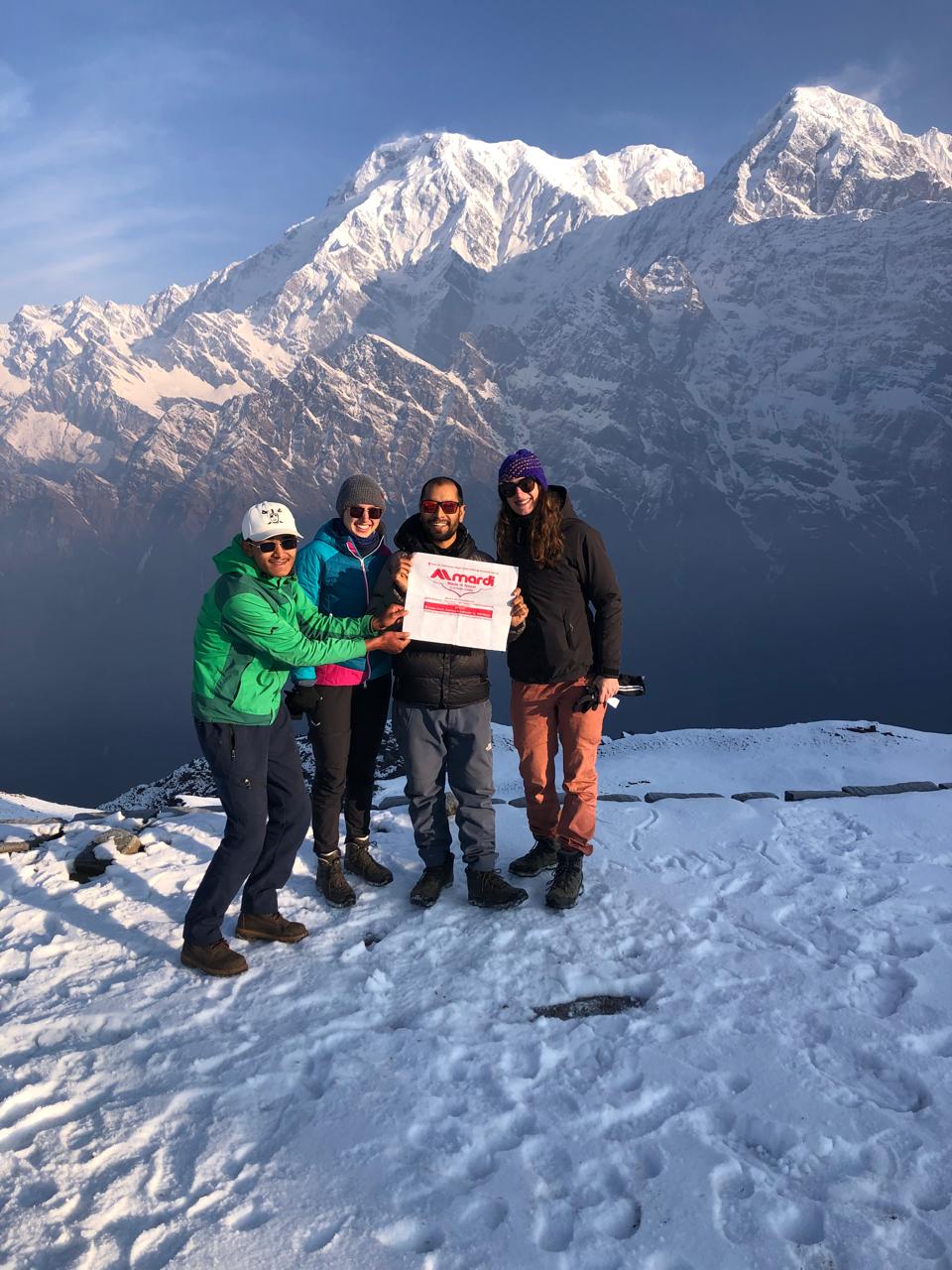
Examples: Langtang Valley, Mardi Himal, parts of Annapurna Circuit As you climb higher, the air becomes cooler and the weather more unpredictable. Layering becomes essential at this altitude. Start with a thermal or moisture-wicking base layer, add a warm fleece or insulated jacket, and top it off with a windproof and waterproof shell. The days might be warm when the sun is out, but mornings and evenings can be chilly. Trekking pants with inner fleece lining or insulated leggings help maintain warmth without restricting movement. It’s wise to carry a woolen hat, gloves, and a buff or neck gaiter to protect against cold winds. A pair of gaiters can also be useful, especially in muddy or snowy patches.
High Altitude Treks (3,500 – 5,500 meters)
Examples: Everest Base Camp, Manaslu Circuit, Upper Mustang High-altitude trekking in Nepal is a serious adventure, often involving extreme cold, snow, and thin air. The clothing you choose here can impact not just your comfort but your health and safety. A solid layering system is crucial: a high-quality thermal base layer, an insulated mid-layer like a down jacket, and a weather-resistant outer shell are all must-haves. You’ll need trekking pants that are both insulated and water-resistant, along with a pair of outer shell pants for snow or rain protection. Accessories like insulated gloves, thick wool socks, and a balaclava or face mask are essential to protect your extremities from frostbite. High-altitude boots with good ankle support and insulation are a necessity, especially on snowy or icy paths.
Trekking During Monsoon Season (June – September)
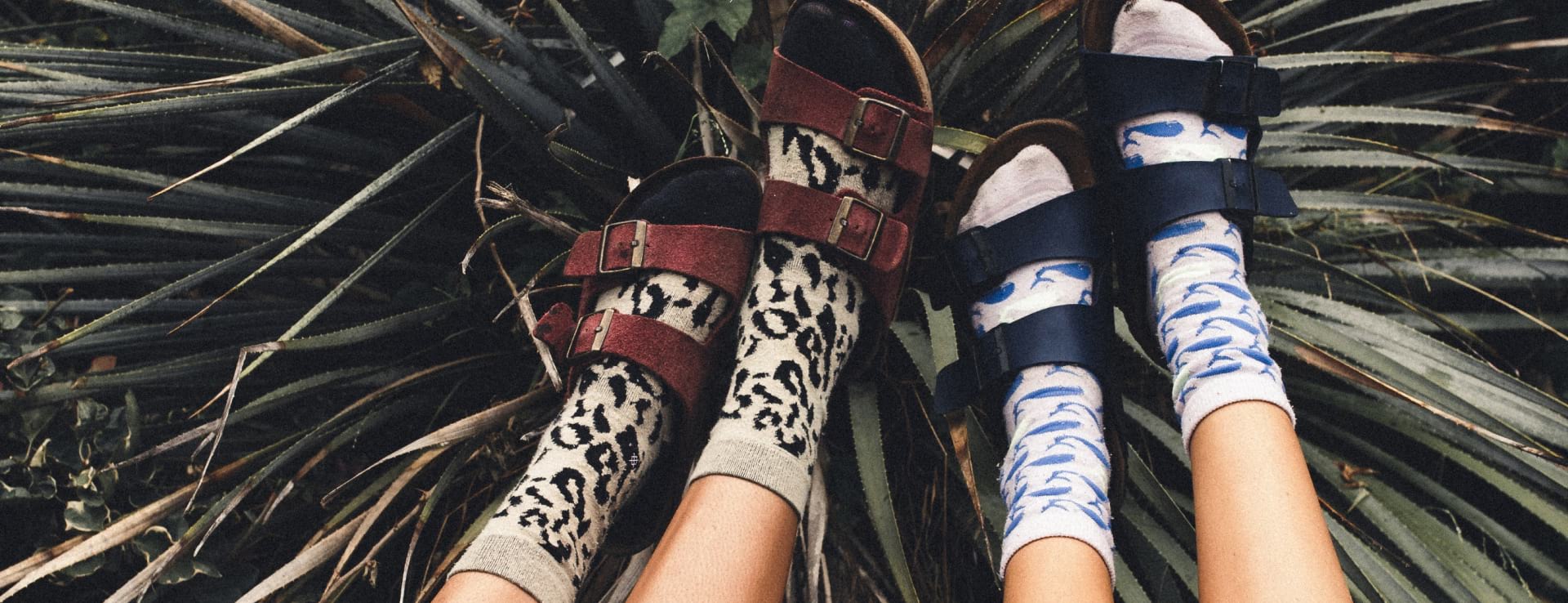
Best Regions: Lower Annapurna, Dolpa, Mustang (rain-shadow areas) Monsoon trekking is possible in Nepal, especially in areas that receive less rainfall. However, the conditions can be wet, humid, and slippery. Clothes made of quick-drying synthetic or merino wool fabric are ideal. Cotton should be avoided as it retains moisture and can make you feel cold. A high-quality rain jacket and rain pants are non-negotiable. Consider waterproof backpack covers and dry bags to keep your belongings safe. Trekking sandals or quick-drying shoes may also come in handy for crossing streams or dealing with heavy mud. Don’t forget insect repellent or bug-resistant clothing when hiking through dense forest or lower elevations.
Final say
No matter which trek you choose in Nepal, dressing appropriately for the terrain and altitude can make your journey significantly more enjoyable. Always prioritize comfort, breathability, and the ability to layer or adjust your clothing to suit changing weather. With the right gear, you can focus less on the elements and more on the breathtaking views, diverse cultures, and life-changing experiences that make trekking in Nepal truly unforgettable.
From lower trails to Himalayan heights, the right clothing for trekking in Nepal means staying comfortable, protected, and ready for every altitude.
Keywords: trekking clothes for Nepal, what to wear trekking Nepal