The Science of Layering: Stay Warm and Dry on the Trail
By Mardi Craft Nepal / April 27, 2025, 2:48 p.m.
Weather and Clothes
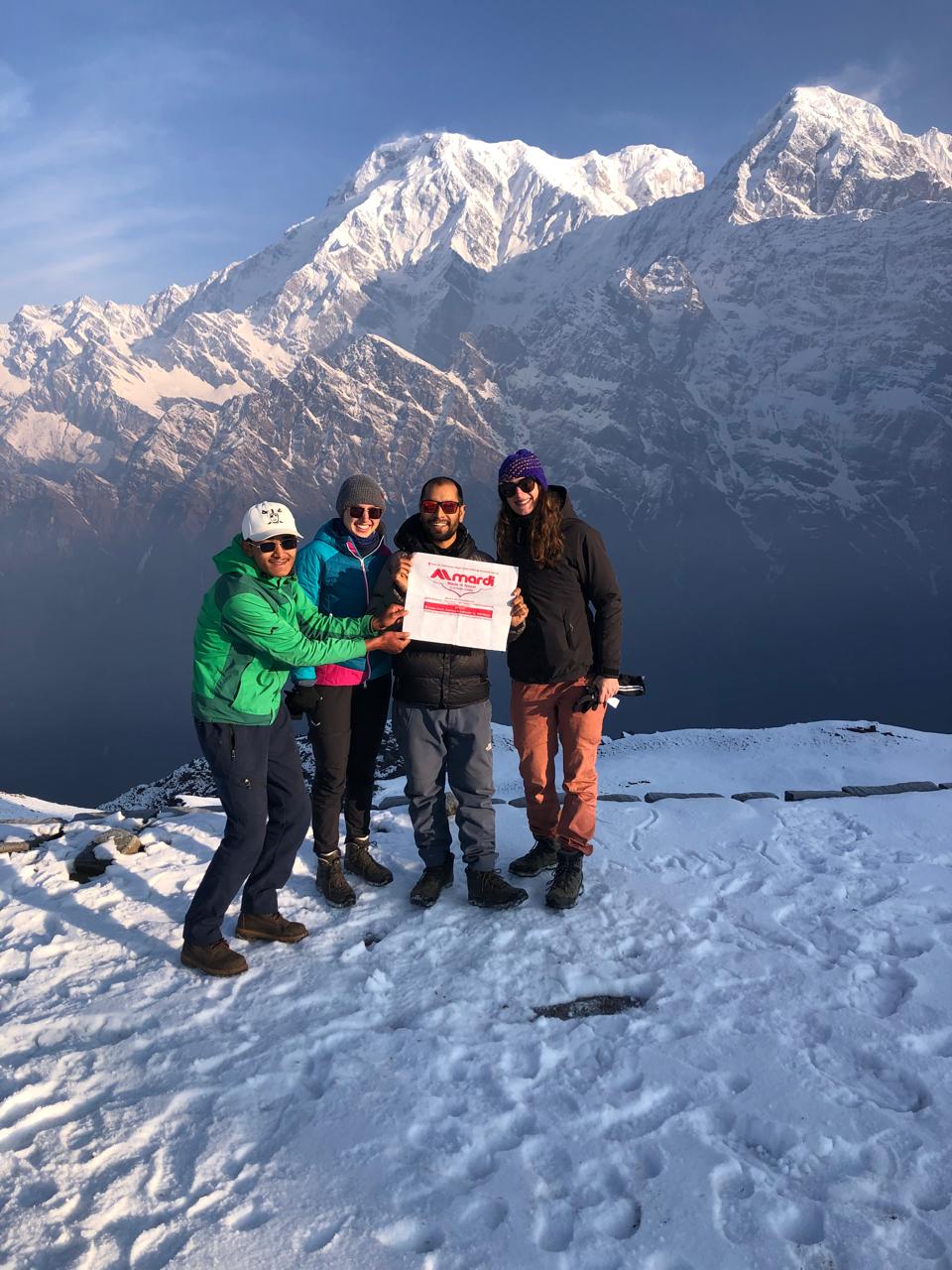
Trekking in the mountains can be magical — breathtaking views, fresh air, and the joy of adventure. But one thing that can quickly turn a great hike into a miserable experience? Wearing the wrong clothes. When the weather changes (which it often does on the trail), your comfort depends on one simple concept: layering. Layering is the smart way to dress for trekking. It helps you stay warm when it’s cold, cool when it’s hot, and dry no matter what. In this guide, we break down the science of layering and show you how to do it right — whether you’re hiking in the hills of Nepal or heading to Everest Base Camp.
Why Layering Matters?
In the outdoors, temperatures can shift quickly. You might start your trek in warm sunshine, then face chilly winds or even snow at higher altitudes. If you sweat too much or get wet, your body can lose heat fast — which is dangerous at high altitudes. Layering helps you regulate your body temperature, manage moisture (like sweat), and protect yourself from wind, rain, and snow. Plus, you can add or remove layers easily as conditions change.
The Three-Layer System
Layering works best when you use three types of clothing, each with its own job: 1. Base Layer – Moisture Management This is the layer worn next to your skin. Its job is to wick sweat away from your body to keep you dry. Best materials: Merino wool or synthetic fabrics like polyester Avoid: Cotton — it holds moisture and makes you cold Examples: Thermal tops, moisture-wicking t-shirts, long underwear Think of the base layer as your second skin. It keeps you dry and comfortable while hiking or climbing. 2. Mid Layer – Insulation The mid layer helps you retain body heat. It traps warm air close to your body and keeps the cold out. Best materials: Fleece, down, or synthetic insulation Examples: Fleece jackets, lightweight down jackets, insulated vests This is your warmth layer. You can add or remove it depending on how cold it gets. 3. Outer Layer – Protection Also known as the shell layer, this one protects you from wind, rain, and snow. It should be waterproof and breathable to keep the elements out without trapping sweat inside. Best materials: Gore-Tex, nylon, or similar waterproof fabrics Examples: Rain jackets, hard-shell jackets, windbreakers This is your shield. Even if it’s just windy or misty, having a good outer layer makes a big difference.
Layering Tips for Trekkers in Nepal
- Always check the weather forecast, but be ready for surprises. - Pack light, but don’t skip any of the three key layers. - Choose breathable fabrics so you don’t overheat. - Dress in layers, not bulk — it keeps you more mobile and flexible on the trail. - Adjust as you go — take off a layer when you warm up, and put it back on when you rest or feel cold.
Accessory Layers That Matter
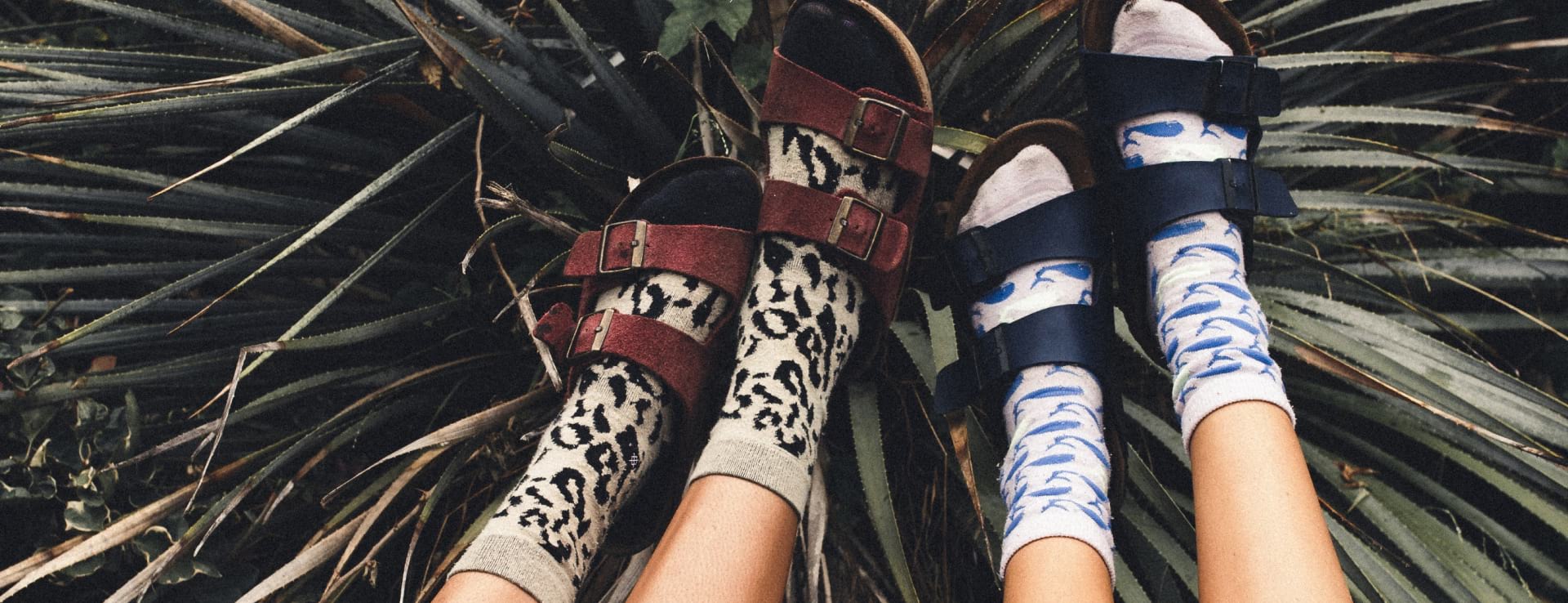
- Hats and gloves: A lot of body heat escapes through your head and hands. - Buffs or neck gaiters: Great for blocking wind or sun. - Gaiters: Useful for snow or mud on higher-altitude trails. - Trekking socks: Choose wool or synthetic socks to keep feet dry and blister-free.
Final say
Whether you’re trekking through the forests of Ghorepani or ascending the icy trails of Manaslu, layering is the key to staying warm, dry, and safe. It's a simple system that works with your body and the environment — not against it. Choose high-quality, technical clothing designed for mountain conditions. And remember, comfort equals performance. The better you feel, the further (and happier) you’ll hike.
"Master the art of layering: the key to staying warm, dry, and comfortable on every trail."
Keywords: layering for trekking, hiking clothes Nepal, how to layer hiking clothes, trekking gear guide, stay warm trekking, base layer for trekking,